TechTown
iPhone 18 Pro LEAKED: Apple Is Cutting Costs… But You’re Getting a Better Display!
Apple is reportedly securing cheaper OLED panels for the iPhone 18 Pro while upgrading display technology. However, soaring memory and chip costs could still push iPhone 18 Pro prices significantly higher.
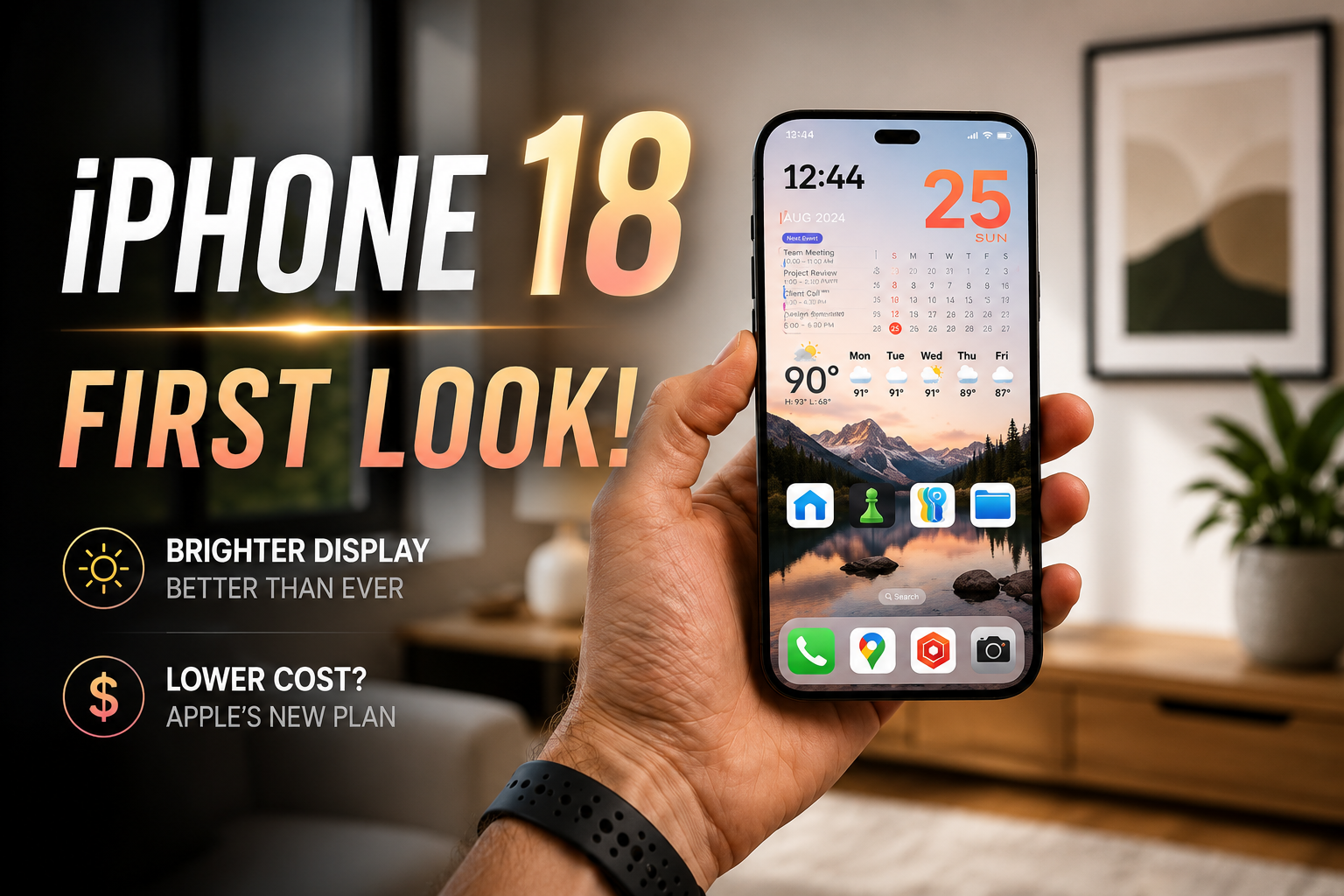
Apple’s Biggest iPhone Launch Yet Is Almost Here
The iPhone 18 series is already generating massive excitement, and for good reason. Rumors suggest Apple is preparing one of its biggest upgrades in years, with a next-generation A20 Pro chip, smarter AI features, improved cameras, and several premium hardware improvements. But while Apple is busy building what could be its most advanced iPhone yet, it's also fighting another battle behind the scenes keeping production costs under control.
With component prices continuing to rise, many expected the iPhone 18 Pro lineup to become significantly more expensive. However, new reports suggest Apple is doing everything it can to prevent costs from spiraling out of control, and the company's latest strategy focuses on one of the most expensive components inside every flagship smartphone: the display.
Apple Wants Cheaper OLED Panels
According to reports from South Korea, Apple is aggressively negotiating with Samsung Display and LG Display to lower the price of the OLED panels that will be used in the iPhone 18 Pro and iPhone 18 Pro Max.
Apple is reportedly aiming to pay around $70 for each Pro Max display, although industry estimates suggest the final price could fall even further to approximately $66.50 per panel.
If those numbers prove accurate, Apple would be paying nearly 20% less than it did for the OLED panels used in the iPhone 17 Pro Max.
That represents one of the biggest price reductions Apple has secured for its flagship displays in recent years.
Lower Cost Doesn't Mean Lower Quality
Here's where things become even more interesting.
Despite Apple trying to reduce display costs, the company isn't expected to downgrade display quality at all. In fact, the opposite may happen.
The iPhone 18 Pro models are rumored to feature Samsung Display's newest M16 OLED material set, the latest generation of OLED technology.
This upgraded panel is expected to deliver better brightness efficiency, improved color accuracy, longer lifespan, and higher overall display performance.
So while Apple may spend less on each display, customers could actually receive an even better screen than before.
Why OLED Panels Keep Getting Cheaper
At first glance, it sounds surprising that newer technology can cost less.
The reason is simple: OLED manufacturing has become much more efficient over the past several years.
Production yields have improved, manufacturing costs have decreased, and suppliers are now able to produce higher-quality displays at lower prices.
Earlier generations of iPhone OLED panels reportedly cost well over $100 each. That number dropped into the $80 range for the iPhone 17 Pro Max, and now Apple is reportedly pushing suppliers to reduce costs even further for the iPhone 18 series.
The Real Problem Is Memory Costs
Unfortunately, cheaper displays don't automatically mean cheaper iPhones.
Apple's biggest challenge isn't the display anymore it's memory.
Recent reports indicate that advanced memory components have become significantly more expensive, and Apple's efforts to negotiate lower memory prices have reportedly been unsuccessful.
As a result, the company is trying to recover those extra costs by negotiating lower prices for other components, including displays.
Apple isn't the only company doing this either. Smartphone manufacturers across the industry are looking for ways to offset rising memory costs by reducing expenses elsewhere, whether through displays, camera modules, or other internal components.
Will the iPhone 18 Pro Still Become More Expensive?
That's the big question.
Despite Apple's aggressive cost-cutting efforts, several reports still suggest the iPhone 18 Pro lineup could receive a noticeable price increase.
Some of the strongest rumors claim the iPhone 18 Pro could start at $1,299, while the iPhone 18 Pro Max may begin at $1,399 around $200 more than their predecessors.
Even if Apple saves roughly $20 on every OLED display, that alone probably won't be enough to offset the rising costs of memory, next-generation processors, and other premium components.
So while these supplier negotiations may help reduce manufacturing expenses, they may not completely eliminate the possibility of higher retail prices.
The Display Was Already Excellent
Ironically, the display wasn't an area that desperately needed improvement.
The iPhone 17 Pro Max already delivered one of the best smartphone display experiences available, offering outstanding brightness, color reproduction, and overall visual quality.
While competitors like Google's Pixel lineup may have achieved slightly better technical measurements in certain tests, Apple's display continued to rank among the very best in the industry.
That means the iPhone 18 Pro's new OLED panel will likely focus on refinement rather than a dramatic visual leap.
Apple Is Preparing Massive Production
The expected production numbers also reveal just how confident Apple is about the upcoming iPhone 18 lineup.
Industry forecasts suggest Samsung Display could supply around 46 million OLED panels, while LG Display is expected to manufacture another 41 million.
Samsung will reportedly produce most of the Pro Max displays, while both companies will share production of the Pro models, helping Apple prepare for another massive global launch.
Final Thoughts
Apple appears to be following a simple strategy for the iPhone 18 Pro lineup: build a better smartphone while keeping production costs as low as possible.
By securing cheaper OLED panels without sacrificing quality, Apple could improve one of the phone's most important features while reducing manufacturing expenses at the same time.
However, rising memory and chip prices remain a major obstacle, meaning these savings may simply help offset higher component costs rather than reduce the final retail price.
The good news is that the iPhone 18 Pro is expected to feature an even better display than before. The bad news? We still don't know whether Apple will pass those savings on to customers or keep them behind the scenes while prices continue to climb.